

The Environmental Impact on Appearance: Challenging Age Determination for Unaccompanied Children
In a world where first impressions often dictate our perceptions, it's crucial to recognise the complexities of appearance and its relationship with age, especially when it comes to unaccompanied children seeking refuge in the UK.
Recently, a group of age-disputed young people embarked on a trip to the science museum, an excursion that not only sparked curiosity but also shed light on a pertinent issue: the environmental impact on appearance. As they explored the exhibits, one real-life example stood out - the story of twins raised in different environments.
In this captivating narrative, twins were separated at birth and raised in vastly different socioeconomic environments. Despite their genetic similarities, their appearances diverged significantly due to environmental factors such as nutrition, healthcare, and living conditions. This striking example underscores the profound influence of the environment on physical development and appearance.

Drawing parallels to the lives of unaccompanied children, we must acknowledge the multifaceted nature of appearance. While physical attributes may offer some insights, they do not provide a reliable indicator of age, especially in the context of trauma, malnutrition, and displacement. The harsh realities of fleeing conflict or persecution can prematurely age a child's body, making them appear older than they are.
Using appearance as the lead determinant of age for unaccompanied children is not only flawed but also disregards the complexities of their experiences. It undermines their rights and subjects them to further scrutiny and disbelief. As advocates for these young people, we must challenge this narrow-minded approach and advocate for a more compassionate and nuanced approach to age assessment. A compassionate approach prioritises the well-being and protection of unaccompanied children, offering them the support and resources they need to rebuild their lives in safety and security. By embracing empathy and understanding, we can create a more inclusive and welcome society in the UK for these children, and the foundations upon which they can build secure and happy futures.


Navigating the Unreliable Path of Age Assessments: A Call for Compassion in the Asylum Process for Unaccompanied Children
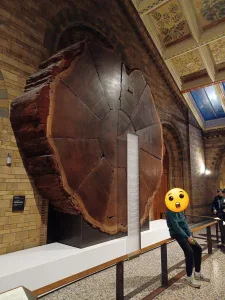
At Refugee Youth Service, we recently had the privilege of taking a group of age-disputed children to the Natural History Museum in London. Among the many wonders we encountered, one stood out – a 1135-year-old tree. As we marvelled at its age, it sparked reflections on the unreliable and unethical nature of scientific age assessment methods, the use of which was made lawful under the Illegal Immigration Act (2023).
Much like the rings of the ancient tree we witnessed, scientific age assessments attempt to decipher a person's age through various methods. However, unlike the precision of counting tree rings, these assessments are fraught with inaccuracies and ethical concerns when applied to human lives.
Variability in Human Development
Human development is a complex and dynamic process influenced by genetics, environmental factors, and individual experiences. Just as trees in a forest grow at different rates based on their unique conditions, children from diverse backgrounds may exhibit considerable variations in physical and cognitive development. Unaccompanied asylum-seeking children, often exposed to challenging circumstances, may face nutritional deficiencies, lack of proper healthcare, or disruptions in education, all of which can impact their growth trajectory. Consequently, relying solely on physical markers to determine age can lead to significantly inaccurate assessments.
Impact of Trauma
The journey to seek asylum is rarely an easy one, especially for unaccompanied children fleeing conflict or persecution. The trauma experienced during this journey can have profound effects on both physical and psychological development. Chronic stress and exposure to traumatic events can disrupt normal growth patterns, potentially resulting in delays or accelerations in development. Scientific age assessments often fail to account for the long-lasting impact of trauma on a child's well-being, introducing a significant flaw in the accuracy of age determination.
Ethical Concerns
Scientific age assessments often involve invasive procedures such as X-rays and dental examinations. Conducting these procedures on vulnerable children raises serious ethical concerns. It infringes upon their right to dignity, privacy, and bodily integrity. The use of invasive methods without informed consent can create a hostile environment, diminishing the trust between the child and those responsible for their care. Moreover, subjecting children to potentially unnecessary medical procedures may contribute to the retraumatization of individuals who have already experienced significant hardship. As advocates for the rights of unaccompanied asylum-seeking children, it is crucial to prioritise ethical considerations in the pursuit of age determination.
Rings of Injustice: A Call for Compassion
Drawing parallels between scientific age assessments and the rings of the ancient tree we encountered, we see the unreliable and unethical nature of relying solely on physical markers to determine a child's age. While tree rings represent uninterrupted growth, human development is influenced by a myriad of factors that cannot be neatly quantified.
Rather than placing undue emphasis on scientific age assessments, a compassionate approach involves understanding the unique journey of each child. Culturally sensitive interviewing techniques and considering the psychological impact of their experiences undoubtedly provides a more comprehensive understanding of their age and needs.
As we reflect on our visit to the Natural History Museum and the awe-inspiring ancient tree, we are reminded of the complexity of human lives, particularly those of unaccompanied asylum-seeking children. The journey towards a safer and more secure future must be guided by empathy and compassion, rather than relying solely on unreliable age assessments. At Refugee Youth Service, we remain committed to advocating for the rights and well-being of these vulnerable young people, ensuring that their voices are heard and their needs are met with compassion and understanding.

RYS is seeking a new board member to guide its strategy for becoming led by lived experience
RYS is seeking a passionate individual to join as a Director and play a crucial role in the organisation’s transformation. As a Director, they will actively contribute to shaping RYS’s strategic direction, policies, and initiatives. RYS’s strategic vision is to become an organisation led-by-lived experience, to better centre the experiences of the people we support throughout all areas of the organisation. Therefore RYS is particularly keen to receive applications from people with lived experience of forced migration. The Director will play a vital role in holding to account the wider organisation in its commitment to this.
A full information pack including instructions for applying can be found here.

Internship Report: Unaccompanied Asylum-Seeking Minors Unlawfully Placed in Adult Accommodations: Challenging the Age Assessment Procedures in the UK
During the summer of 2023 Francesca Panico joined RYS's No Children in Hotels Project to undertake a two-month internship. The internship took place as part of the fieldwork requirement for a Masters Degree program, which also required the production of an academic paper concerning the issue addressed by the internship. The paper therefore aims to examine the multifaceted challenges faced by age-disputed UASCs in the UK, shedding light on the urgent need for a ‘human right-based’ approach that safeguards their rights and minimises the risk of retraumatisation.
For this purpose, the following research question is addressed in the study: How do age assessment procedures in the UK affect the children’s rights of unaccompanied asylum-seeking minors in the country? This is supported by the following sub-questions: 1. How does the experience of being age-disputed and accommodated in adult accommodations impact unaccompanied children in the UK? 2. Why is a ‘human right-based’ approach needed within the age assessment process? 3. What are the best practices for minimising the risk of re-traumatisation for UASCs?
The paper can be found here.

A successful year for RYS
It has been another successful year for Refugee Youth Service’s (RYS). Our work throughout 2023 continued to focus on the UK, in response to the alarming number of age-disputed children housed in Home Office hotel accommodations meant for adults. As a result, we launched a new piece of work called the "No Children in Hotels" project. Meanwhile RYS continued to roll-out its Journey with an Unaccompanied Child capacity building training programme, reaching new parts of the country and individuals from a growing range of professions and occupations...
Read the full annual report here.
Read the annual report summary here.

No Children in Hotels Project: Interim Progress Report
In the summer of 2023 RYS stepped-up its work in the UK in response to the hundreds of age-disputed children living in British Home Office hotel accommodations. The ‘No Children in Hotels Project’ is creating a significant and lasting impact on the lives of children who would otherwise be forgotten about. This interim report highlights the project’s key successes, developments and ongoing challenges, and shares RYS’ plans for the future.
Read the full report here.

🌟 Exciting News: New Paid Opportunities to Support Our Work! 🌟
We are thrilled to share an update on our ongoing efforts to assist age-disputed asylum-seeking children in the UK. Thanks to the generous support of the Hilden Charitable Fund, we are expanding our impact through a new initiative that will train people with lived experience of forced migration to become paid Session Workers for our No Children in Hotels Project.
These session workers will receive specialised safeguarding training and play a vital role in supporting our interactions and activities with age-disputed children. This initiative therefore not only benefits children but also provides a unique opportunity for Session Workers to gain experience in a new sector or role. Their lived experience and language abilities will be a tremendous asset to both RYS and the children we support.
We extend our heartfelt gratitude to the Hilden Charitable Fund for recognising the importance of our mission, and the role of those with lived experience in achieving it.
To apply for the role visit the Get Involved section of the website.

New Home Office powers to take charge of unaccompanied children; how concerned should we be?
The definition of an ‘unaccompanied child’ is a child who has been separated from their parents/ guardians, or migrates alone fleeing wars or conflicts. In 2022, the UK received 5,152 applications from unaccompanied children seeking asylum in the UK. Many children arrive in the UK after crossing the English channel on small boats. It's a scary situation for any child to be in, fleeing their home country and travelling to a new and unfamiliar country on their own without a parent or guardian by their side; the journey alone can be difficult and traumatising.
But who has the authority to look after and provide for unaccompanied children once they come to the UK?
There have been debates about whether this power should continue to lie in the hands of Local Authorities, or whether the state (namely, the Home Office) should be playing a greater role. This debate has been fuelled by the Home Office’s decision to house lone children in designated hotels in Kent and Brighton. with 400 of them going missing from the latter. Of those 400 children, 154 are yet to be found. Some of the missing children were either believed to have been trafficked, exploited or have disappeared.
The Home Office has also admitted to housing a 9 year old unaccompanied child in this setting. Brighton and Hove City Council highlighted that the child was placed in harm's way due to the hotel's location. The hotel's location raised questions because “of known ‘county lines’ drug activity in the area, any children placed in the hotel by the Home Office in the future could be vulnerable to exploitation”.
The Home Office is currently facing further backlash after removing various murals at Manston detention centre located in Kent which houses families including children. The removal of a number of murals depicting various children’s cartoon characters, has sparked controversy as some have branded the Home Office as “evil” for this decision.
It's interesting therefore to see if measures taken by the Home Office are in the interest of protecting these young children. Or are these children simply being placed in hotels to cut costs in light of the migrant crisis? With children going missing, safeguarding measures are clearly inadequate, and children who have endured so much should be treated with a far greater level of compassion and care.
The UK recently passed the Illegal Immigration Act, which has already generated mass controversy for not taking into consideration basic human rights of refugees. To deter this bill from being turned into law, the United Nations had suggested that the UK put a pause on the process. Mainly because this law ignores the rights of refugees and invites hostility towards asylum seekers and migrants. This then encourages racism, negative stereotyping and increases xenophobic attitudes towards refugees.
This law could leave unaccompanied children even more at risk not only because “provisions of this policy would severely restrict access to UK territory for those in need of international protection”, but because the Act grants the Home Office fresh powers to take charge of Unaccompanied Children if they wish to do so. It has not been made clear why this would be necessary or under what circumstances this might happen, but it is of great concern because we have seen what happens when the Home Office attempts to fulfil this role.
With these recent controversies emerging, it’s tough to not question if unaccompanied children's rights are being taken seriously and if existing measures are sufficient in keeping them safe. Unaccompanied children should be provided with safe spaces to protect them from exploitation, instead of places that allow and compromise their safety. A child should be allowed to grow up in a safe and protected environment, with their rights protected and needs prioritised.
Written by Yusra Chaudhary
References:
Fleeing Unaccompanied: Healing the Suffering of Children Who’ve Lost Everything
Facts About Separated Children
Home Office Faces Legal Action over Children Missing from UK Asylum Hotels (2023)
Home Office Admits Placing Lone Nine Year Old in Brighton Asylum Seeker Hotel (June 2023)
UN Experts Urge UK to Halt implementation of Illegal Immigration Bill (July 2023)

No Children in Hotels Project is Expanding!
We are delighted to share the news that our No Children in Hotels Project, a critical initiative that supports age-disputed asylum-seeking children, is expanding. This project, initially launched in Berkshire with the generous support of the Blagrave Trust, is now set to expand into London, marking a significant milestone in our ongoing efforts to safeguard the rights of unaccompanied asylum children in the UK.
Building on the success of our work in Berkshire, we have established strong connections with local organisations, identified government hotel accommodations, and begun to receive referrals for age-disputed asylum-seeking children. The impact of our existing efforts has been substantial, laying the groundwork for an even more extensive reach as we extend our services to London.
We are delighted to announce that the City Bridge Foundation has generously granted funding for this expansion, for the next two years. This invaluable support will allow RYS to not only continue but enhance our mission in aiding these children in their journey toward a more secure future. With this funding we are excited to welcome another full-time social worker and more session support workers to the team, enabling us to increase our capacity and better meet the unique needs of each child under our care.
This expansion into London represents a significant step forward in our commitment to ensuring that no age-disputed asylum-seeking child is left in inappropriate accommodations. With the continued support of our partners, donors, and community, we are confident that we can make a lasting impact on the lives of these young individuals, co-creating a brighter and more secure future.
We extend our heartfelt gratitude to the Blagrave Trust and the City Bridge Foundation for recognising the importance of this project and standing by us in our mission.

No Children in Hotels: One Less Child in a Hotel
We are delighted to share the following success story from our No Children in Hotels Project, launched in April of this year.
BACKGROUND
Keje is an unaccompanied child from Eritrea, who had been assessed as 3 years older than his actual age upon arrival in the UK. He was introduced to us in May 2023 by his solicitor, who was concerned about his mental health and general wellbeing.
Because of the age-dispute, he had been living in an adult hotel for 7 months, during which he never left his room because he was scared of going outside. He initially went through some serious troubles sleeping, caused by aggressive behaviour by other residents in the corridor of the hotel, which kept him up to physically hold the door shut.
During our first meeting with him, we found a safe space to talk about his concerns, needs, and struggles. He confirmed to us the solicitor's view about his feelings of isolation. In addition to feeling hopeless as a result of being denied his rights as a child, his mental health was further affected by what the social worker said to him during the age-assessment process: “You look older than my son who is 30”.
WHAT DID WE DO?
- Maintained regular contact, either in person or over the phone;
- Held face-to-face individual meetings to monitor safety and provide emotional support;
- Raised his safety concern with the hotel manager who explained that the door locked automatically from the inside, enabling him to finally sleep through the night.
- Introduced him to other age-disputed children in the area, and organised outdoor group activities, including walks, playing frisbee, card and board games;
- Referred him to a youth football club and shared information about free services in the area, as well as spaces to hang-out, such as the local library;
- Maintained regular contact with his solicitor and provided of a witness statement detailing the reasons why we believed him to be a child.
OUTCOMES
The witness statement we issued was crucial to provide new evidence for Keje's age assessment appeal, together with a witness statement from a another independent social worker. The judicial review was successful and the Local Authority eventually accepted Keje's age, although this only happened a year after his arrival. By this time, he had already turned 18, but because he was incorrectly assessed as an adult whilst being underage, he is now entitled to leaving care support until he is 25 years old.
Keje's solicitor said he reported feeling much better after our involvement in his life. The time spent playing games at the local café, acquiring new skills, exchanging ideas, and getting to know the surrounding area together improved his mental wellbeing and self-confidence. When, right after a group activity at the park, he was asked to rate his happiness on a scale from 1 to 5, he said: “Obviously 5!”.
CONCLUSION
Keje's case shows the importance of early intervention and support for age-disputed children. Keje was very isolated and scared when he first came to us, but with our support and partnership working, he was able to build relationships, improve his well-being, and access the care he needed. Keje is now living in supported accommodation for young people, where he has a personal adviser and a care plan, a periodic assessment of his needs, and regular visits from children services. We are delighted that we were able to make a positive and long-lasting difference in his life. Keje's new found safety and happiness is what gives us the strength and motivation to keep standing alongside unaccompanied age-disputed children and advocating for their rights.
Read more about the project here, and support our work here.