
OUR STORY
Refugee Youth Service supported displaced children and young people, on the move, to restart and rebuild their lives.
We provided children and young people with safe spaces, where they could access legal, social and psychological support from local professionals, and seek respite through engagement in creative activities, organised sports and non-formal education.
Refugee Youth Service was created in 2016 in the camp settlement known as "The Jungle".
The organisation was founded by Aske Grielgaard, Ben Teuten and Jonny Willis, initially to provide a small safe space (‘Baloo’s Youth Centre’) for the unaccompanied children residing there.
It was space where childhood could resume, however briefly, and they could seek respite from their daily routines.
The RYS Journey
Refugee Youth Service was founded in 2016. Over the decade that followed, the organisation adapted, expanded, handed work over to others and eventually chose to close. Explore the key chapters of that journey below.
2016
The Jungle
Refugee Youth Service grew from a small youth space in the informal camp settlement in Calais known as “The Jungle”. Thousands of people were living there in tents and makeshift shelters, separated from the UK by fences, police, the port and the English Channel. Among them were hundreds of children travelling without parents or carers.
What began as a short period of volunteering became a sustained response. The youth space, known as Baloo’s, offered warmth, games, food and something less easily measured: trusted adults who remembered children’s names and were there again the following day.
The work developed quickly, often before the people doing it fully understood what it required. Supporting children in the camp was not simply a matter of kindness or enthusiasm. It involved safeguarding, trauma, legal systems, cultural understanding, boundaries and relationships carrying needs that no small organisation could resolve alone.
When the Jungle was demolished in October 2016, the physical centre of the work disappeared. Children were taken to reception centres across France, while others continued arriving in northern France. The camp had closed, but the conditions that had produced it had not. RYS therefore made its first major organisational decision: to remain.
2017
Staying in Calais and Expanding to Athens and Ventimiglia
After the Jungle was demolished, children in northern France became less visible rather than less vulnerable. They were dispersed across fields, industrial estates and smaller informal settlements. RYS replaced the fixed youth centre with a large white van, creating a mobile space where children could receive information, practical support and help entering the French child-protection system. A local social worker, legal specialist, cultural mediators and volunteers strengthened the response.
At the same time, RYS began looking beyond Calais. In Athens, growing numbers of displaced young people were living with limited access to stable, age-appropriate support. RYS establish Velos Youth, one of the first dedicated safe spaces and day centres for displaced young people on mainland Greece. Its model combined relationships and community with casework, psychosocial support, education, referrals and practical assistance.
RYS also developed work in Ventimiglia, on the French-Italian border, where people on the move faced another temporary and dangerous stopping point.
The expansion marked an important shift. RYS was no longer responding to one exceptional camp. It was becoming a multi-country organisation, following young people across different points in Europe’s migration system while trying to preserve the relational approach that had shaped its beginnings.
2018
Expanding to Dunkirk
In 2018, RYS expanded its northern France work from Calais to Dunkirk with funding from Save the Children. Children were living across scattered informal settlements, repeatedly displaced by police clearances and exposed to violence, exploitation and dangerous attempts to reach the UK.
The expansion allowed RYS to provide mobile outreach across both locations. Teams offered practical assistance, clear information, safeguarding support and referrals into statutory and specialist services. The work relied on people with different forms of expertise, including social work, law, language, culture and local relationships.
It also exposed the limits of growth. Although Calais and Dunkirk were geographically close, they developed into distinct operating environments with their own relationships, needs and daily pressures. In reality, two teams began to form, each deeply committed to the children in its area.
The year demonstrated both what expansion could make possible and what it demanded. Reaching more children required more than adding activities or staff. It required stronger management, clearer roles, reliable funding and structures capable of holding the emotional and practical weight of the work.
Those lessons would become unavoidable the following year.
2019
Leaving Dunkirk
When the dedicated Dunkirk funding ended, RYS initially tried to continue working across both Dunkirk and Calais. Reducing the service felt like retreating from children whose needs had not disappeared.
But the organisation’s resources no longer matched the work it was trying to sustain. Exhaustion was growing, relationships between the two location-based teams were under strain, and staff raised concerns that the work was becoming unsafe. Each team feared that the children it supported were being deprioritised.
The decision to leave Dunkirk was therefore not simply financial. It forced RYS to confront a difficult truth: continuing a service at any cost is not always the most caring option. Work delivered beyond an organisation’s capacity eventually becomes less stable for staff and less safe for the people it exists to support.
A board member with greater distance from the daily intensity helped the organisation acknowledge that the arrangement could not responsibly continue. The feared consequences of scaling back were real, but less catastrophic than they had appeared from inside the work.
Leaving Dunkirk became an early lesson in organisational boundaries. Commitment alone could not substitute for structure, capacity or sustainable funding.
2020
Adapting Through the Pandemic
The COVID-19 pandemic disrupted RYS’s work at a time when the children supported in northern France were already living with insecurity, poor access to services and limited protection. Restrictions changed how the team could operate, reducing face-to-face contact and making practical support, safeguarding and relationship-building more difficult.
The organisation had to adapt while trying to preserve the consistency and trust on which its work depended. Staff found new ways to remain in contact, share information and respond to urgent needs, even as normal routines and services were interrupted.
The year also created space for RYS to think more seriously about the future of the Calais project. A substantial multi-year grant from Comic Relief gave the organisation greater stability and the ability to plan beyond immediate delivery. Importantly, the funding made it possible to consider investing directly in a French partner rather than assuming that RYS should continue holding the work itself.
This marked a significant development in the organisation’s approach to localisation. The question was no longer only how RYS could strengthen its own project, but how its resources, relationships and learning could help build something more locally rooted and sustainable.
The pandemic made much of the work harder and more uncertain. At the same time, the security of longer-term funding allowed RYS to look beyond survival and begin preparing for a future in which the work in France might be carried by others.
2021
Leaving Calais and Handing Over to ECPAT France
By 2021, RYS had worked in Calais for five years. The project had changed repeatedly, moving from a youth centre inside the Jungle to mobile outreach, specialist casework and partnership-building across northern France.
RYS had accumulated trusted relationships, local knowledge and a strong sense of responsibility. That made leaving difficult. The work had become closely associated with the organisation, but this did not necessarily mean RYS should hold it indefinitely.
The decision was made to transfer the project to ECPAT France, a larger national organisation with specialist child-protection and anti-trafficking expertise. Rather than simply closing the service, RYS worked towards continuity, transferring learning, relationships and responsibility so that support for children could continue through a structure better placed to sustain it.
The handover reflected a wider shift in RYS’s thinking about ownership. Making space for others sometimes meant more than participation or partnership. It meant asking whether work that had grown around RYS should continue to belong to it at all.
The organisation had learned that responsible leadership was not only about starting and expanding projects. It could also involve stepping back and allowing another organisation to carry them forward.
2022
Journey with an Unaccompanied Child
After leaving direct service delivery in France, RYS began turning more of its experience into learning for the wider sector.
Journey with an Unaccompanied Child was developed as a training and practice-change programme for professionals supporting children arriving in the UK. It combined case insight, rights-based practice, young people’s experiences and practical tools for frontline teams.
The programme followed the different stages an unaccompanied child might encounter, including arrival, reception, safeguarding, relationships with professionals and access to services. It encouraged participants to look beyond procedures and consider how systems are experienced by the child moving through them.
This represented a new form of impact for RYS. Rather than only providing support directly, the organisation could improve the knowledge and confidence of social workers, foster carers, accommodation staff, youth workers and other practitioners who might support many children over time.
It also helped RYS recognise that its accumulated learning had value beyond the projects from which it emerged. The organisation’s experience could be documented, questioned and shared, not as a fixed formula, but as a starting point for stronger reflection and better practice.
2023
No Children in Hotels
In 2023, RYS returned to direct casework in the UK through the No Children in Hotels project.
The project supported young people who said they were children but had been placed in adult Home Office accommodation because their age was disputed. Many were navigating unfamiliar legal and safeguarding systems while living alongside adults and without the protections normally available to children.
RYS provided relationship-based support alongside practical casework. This included liaison with local authorities, access to legal advice, safeguarding follow-up, wellbeing support and help entering education and other services.
The work was complex and required the organisation to develop new knowledge quickly. The route from being treated as an adult to being recognised and supported as a child was fragmented, while much responsibility initially rested with a small number of staff.
The project carried forward many of RYS’s longstanding principles: relationship before intervention, clear information, accompaniment rather than rescue, and persistent advocacy within systems that young people often struggled to understand. It also reinforced the need for strong supervision, shared responsibility and organisational structures capable of supporting the people doing demanding casework.
2024
Velos Youth Becomes Fully Autonomous
Velos Youth had been created in Athens in 2017 with the intention that it would ultimately become locally led and independent from RYS.
That transition took years. It required much more than changing a name or transferring administrative responsibility. Local leadership needed time to develop, while financial systems, governance, safeguarding processes, partnerships and organisational identity all had to become strong enough to stand independently.
By 2024, Velos Youth was fully autonomous. It had grown from an RYS-supported initiative into an established Greek organisation with its own leadership and direction.
The transition became one of the clearest expressions of RYS’s commitment to making space for others. RYS had supported the development of staff leadership, organisational systems and governance structures, but the achievement belonged to the people who took responsibility for Velos Youth and continued reshaping it around the realities of Athens.
Autonomy did not mean that the relationship or shared history disappeared. It meant that ownership had genuinely shifted. Velos Youth could make decisions, build partnerships and define its future without RYS remaining at the centre.
For RYS, this was not the loss of a project. It was the intended outcome of one.
2025
The Decision to Close
By 2025, RYS had spent almost a decade responding, adapting and rebuilding. It had moved from a small space in the Jungle to projects across four countries, specialist UK casework and training for frontline professionals.
The organisation could have continued searching for another version of itself. There were still needs to address and worthwhile projects that could be imagined. But the existence of need was not, by itself, a reason for RYS to continue indefinitely.
The board and leadership considered the organisation’s purpose, financial position, scale and future direction. They also considered what it would mean to keep sustaining an organisation partly because of its history, identity and the difficulty of letting it end.
The decision to close was not based on the belief that the work had failed or was no longer valuable. It recognised that organisations do not have to survive forever to have succeeded. Sometimes the responsible choice is to complete the work that remains, support staff and young people carefully, preserve what has been learned and bring the organisation to a deliberate end.
Closure therefore became a final organisational project, requiring the same attention to relationships, responsibility and care that RYS had tried to bring to its frontline work.
2026
Ending Well
RYS entered 2026 knowing that it would be its final year.
The priority was not simply to stop delivering services. It was to end relationships and responsibilities carefully. Young people needed clear information and planned closure. Staff required support through uncertainty, transition and the loss of roles that had carried personal as well as professional meaning. Funders and partners needed honest communication, while governance, finances and legal responsibilities had to be completed properly.
RYS also began capturing what might otherwise disappear with the organisation. The Learning Hub, archive, Insights, Practice Guides and Tools were created to preserve learning developed through ten years of frontline experience. The intention was not to present RYS as a perfect model. It was to share stories, questions, mistakes and practices that might remain useful to others.
Ending well did not mean making the ending painless or tying every experience into a neat conclusion. Some relationships could not continue. Some questions remained unresolved. Some aspects of the organisation’s history were still open to different interpretations.
But closure could still be thoughtful, transparent and responsible. RYS began as an instinctive movement towards children who needed support. It ended by slowing down, sharing what it had learned and recognising that care includes how we leave.
Our values were the foundations upon which we created change and stood up for what we believed was right.

Dignity & Respect
We see children and young people as free & autonomous agents voices that must be heard. With the exception of emergency intervention and child protection, change is fostered with the guidance and mentorship of qualified and experienced professional staff.

Inclusion &Equality
We believe that individuals are entitled to live a life free from poverty, abuse, war and the effects of climate change. Where people are born should not dictate their access to opportunity. We believe not just in the right to safety, but in equal access and opportunity to thrive.

Collaboration &PartnershipWorking
We believe that partnering with local organisations is the best strategy for success. We can not create systemic change on our own; we are stronger together.

Responsiveness& Innovation
We remain dynamic and nimble, ready to respond when needs arise. Our programs are entrepreneurial and innovative in nature, we aren’t afraid to develop and test new approaches to old problems.
Our Pillars
The 5 foundational elements of our work and activities.

Pillar 1
Child Protection
We actively monitor the welfare of the children who use our services, in order to make the necessary internal and external referrals to specialist services, and report children of concern to the relevant authorities where appropriate. We encourage all children to request protection and asylum from the country they are in. Our safe and secure spaces are often the first port-of-call for children and young people in need of immediate protection.
Activities include: Provision of safe spaces, advice and guidance from local professionals on a range of issues, emergency referrals to state and non-state child protection actors; emergency housing referrals.

Pillar 2
Access To Rights
Promoting and protecting children and young people’s rights is at the centre of what we do. We actively ensure children and young people are aware of their rights, we provide access to legal representation and advice, and in addition we work alongside a number of NGOs to collect data and compile reports evidencing the unacceptable situations children and young people are facing in Europe.
Activities include: Rights based workshops, legal advice and guidance including support through the asylum process, advocating for individuals when they are denied their rights, advocating for structural change and national and EU level.

Pillar 3
Education and Life skills
RYS teaches local and international languages to children and young people, to aid their integration or prepare them for their destination country. However, as education is not only a process of learning curriculum subjects, we embed education into our projects through activities and workshops, as means to establish routines and structure, and to promote critical thinking and exploration of topics outside young people’s daily life experiences.
Activities include: Non-formal language programs; educational, and creative activities & workshops designed to promote self-expression and the development of life-skills; creation of Learning & Education Action Plans (LEAPs); support with returning to school or securing scholarships for higher education.

Pillar 4
Integration
Integrating is one of the great challenges that newly arrived children and young people face, and therefore one of the most important focus areas for RYS. To us integration is more than a ‘tick-box exercise’, and whilst returning to school, or securing training and employment opportunities are critical to the process, we value equally children and young people’s sense of belonging to their new community, and their meaningful engagement with it.
Activities include: Integration focused housing; livelihoods support including CV writing, job search and interview skills; helping to secure private accommodation; support to access education and training opportunities; information on and support with joining local activities, groups and clubs in-line with young people’s special interests and hobbies.

Pillar 5
Capacity Building & Raising Awareness
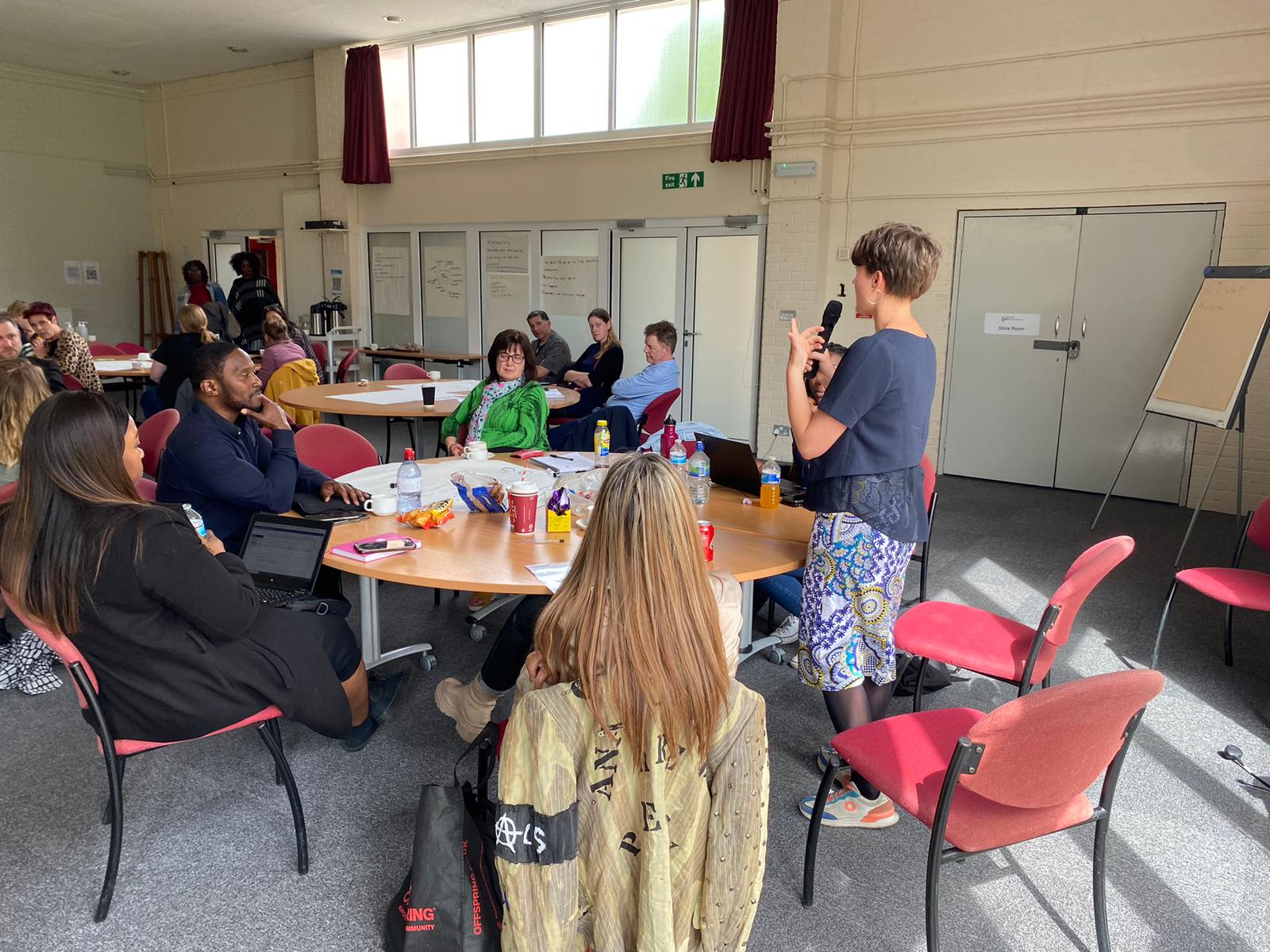
RYS also achieves its mission by building the capacity of communities, organisations and individuals to support unaccompanied children and young people. This part of our work is focused on the UK, and centres around a training programme titled ‘Journey with an Unaccompanied Child’. The participants of the training learn about the common experiences of children on the move, how these experiences may shape their behaviour and needs, and how we can support them. The training has a broad audience, including social workers, teachers, foster carers, healthcare professionals, and a wide range community groups.
Activities include: Online and in-person training, delivered for durations of 2-5 hours. Find out more information about our Training Offers.
Who AreWe?
We are a diverse group of people united and motivated to make a long lasting impact on the lives of children and young people who are unaccompanied and displaced. Social workers, cultural mediators and youth workers are core to our work, with all team members sharing a passion for securing a better future for children and young people on the move.
RYS Team

Jess
CEO
Jess is motivated by her passion for justice, she believes there is a great deal of unrecognised power in the combination of lived experience and professional skills. She has worked in social justice and health charities both in the UK and internationally.

Scarlett
Social Worker
Scarlett is driven by the promotion of young people’s independence through empowering and enabling. She joined RYS’ ‘No Children in Hotels Project,’ guided by the principle that everyone deserves care in accordance with their personal needs. Specialising in contextual safeguarding and mental capacity, Scarlett strengthens RYS’ ability to offer comprehensive and holistic support. Scarlett firmly believes in being a catalyst for change, promoting equity whilst advocating for anti-oppressive practices.

Jonny
Co-founder
Following an initial month of volunteering in the Calais ‘Jungle’ refugee camp in 2015, Jonny co-founded Refugee Youth Service (RYS) to provide immediate support to the unaccompanied children residing there. Since then, he has designed and implemented a wide range of projects and solutions for children and young people on the move across Europe.
In 2025, RYS transitioned away from a founder-led model to strengthen its long-term sustainability, though Jonny continues to support the organisation on an ad hoc basis.


Roseanna
Trainer
Roseanna is dedicated to improving the lives of disadvantaged children via robust and innovative safeguarding practices, and through the delivery of services proven to work.
Roseanna has been a qualified Social Worker since 2015 but left the UK in 2019 to understand the experiences of children on the move in Europe. Here she joined Refugee Youth Service, undertaking a number of roles in, France and Greece before returning to the UK to design and implement RYS’ No Children in Hotels Project.
Roseanna currently works with RYS as a freelance trainer and facilitator, delivering our ‘Journey with an Unaccompanied Child’ capacity-building training.

Massi
Trainer
Massi was hired as an intern for RYS’s Journey with an Unaccompanied Child, where he developed his skills and passion for training and facilitation. Today Massi continues to work with RYS as a freelance trainer and facilitator.
Massi loves acting and being in front of the camera and has recently been accepted as a member of National Youth Theatre (NYT). Massi also volunteers for the British Red Cross, and is an Associate Artist for a charity called Compass Collective. He is a big football fan and loves meeting new people.
RYS Board
RYS Board

Bhargabi
Bhargabi is a Graduate in Public International Law from the London School of Economics, currently working in the Climate Change Committee’s Adaptation team to advise the UK government on climate policy. Previously, she worked with the United Nations in Korea to support coordination of humanitarian efforts. Her passion for working with refugees, IDPs and undocumented migrants started from close encounters with mass migration of Rohingyas to Bangladesh which formed into interests in Refugee Law during her study at Kent Law School. Forced displacement is a cause she’s been committed towards, and with Refugee Youth Service, supports projects that aid unaccompanied minors arriving in the UK.

Steve
Steve leads the work for a family trust called Panahpur, which means ‘place of refuge’. For many years the trust has been walking alongside leaders in every discipline providing safe spaces for honest conversations and also blue-sky imagination. Steve is a connector and loves bringing people together from across disciplines in the pursuit of positive change. Steve also host’s the Wonderspace Podcast which orbits around wonder and stories of hopefulness. Locally, Steve volunteers at the food/energy bank in Tonbridge in Kent where he lives.

Rhia
Rhia is a communications specialist and interdisciplinary artist with a demonstrated history of working with grassroots and international NGOs. She is skilled in copywriting, project coordination, and stakeholder management. Having joined organisations such as SolidariTee and EarthRefuge, Rhia has worked directly with people facing forced displacement and draws on this to successfully implement and develop strategies. She is currently working at WWF-UK in Philanthropy, and Nature Based Solutions.

Mohammad
Mohammad is 19 years old and originally from Sudan. He has been living in the UK for two and a half years where he has obtained qualifications in English, Maths, and Science. His dream is to become an engineer in the future. He is an avid supporter of Liverpool football team and enjoys reading in his free time.
Mohammad believes that our shared human qualities, including compassion, kindness, and empathy, can unite us across differences such as nationality, religion, race, or background.
RYS in Pictures
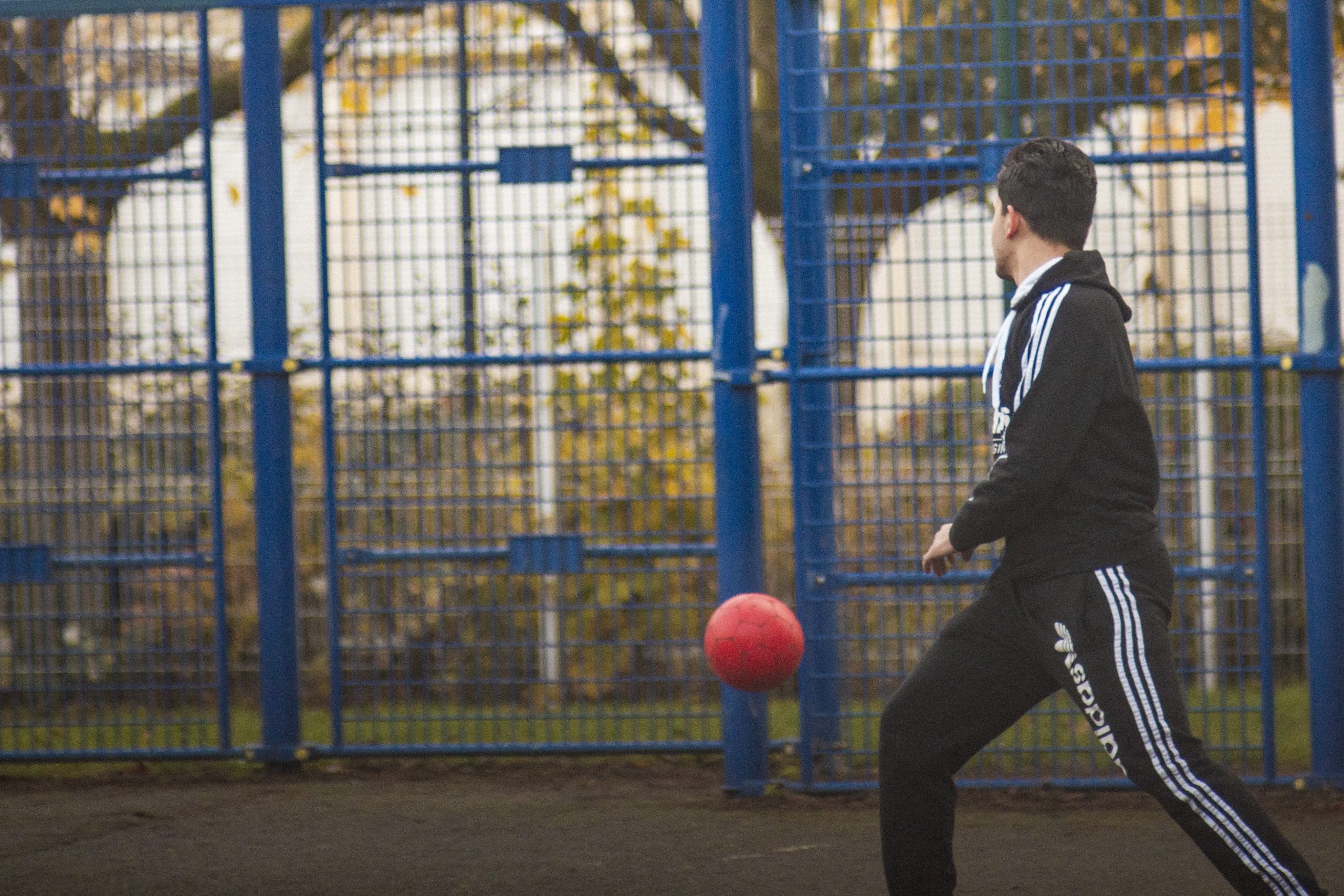
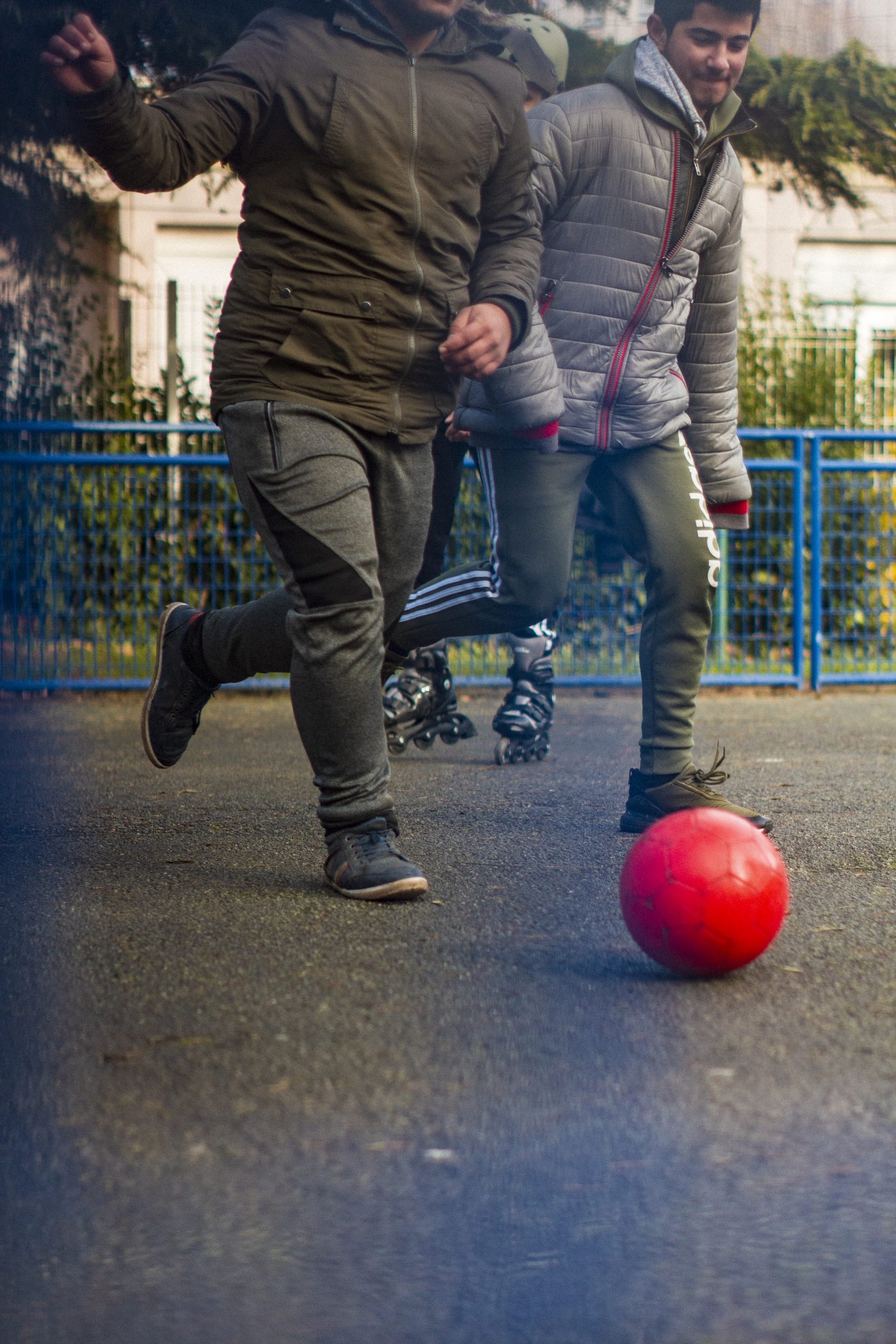
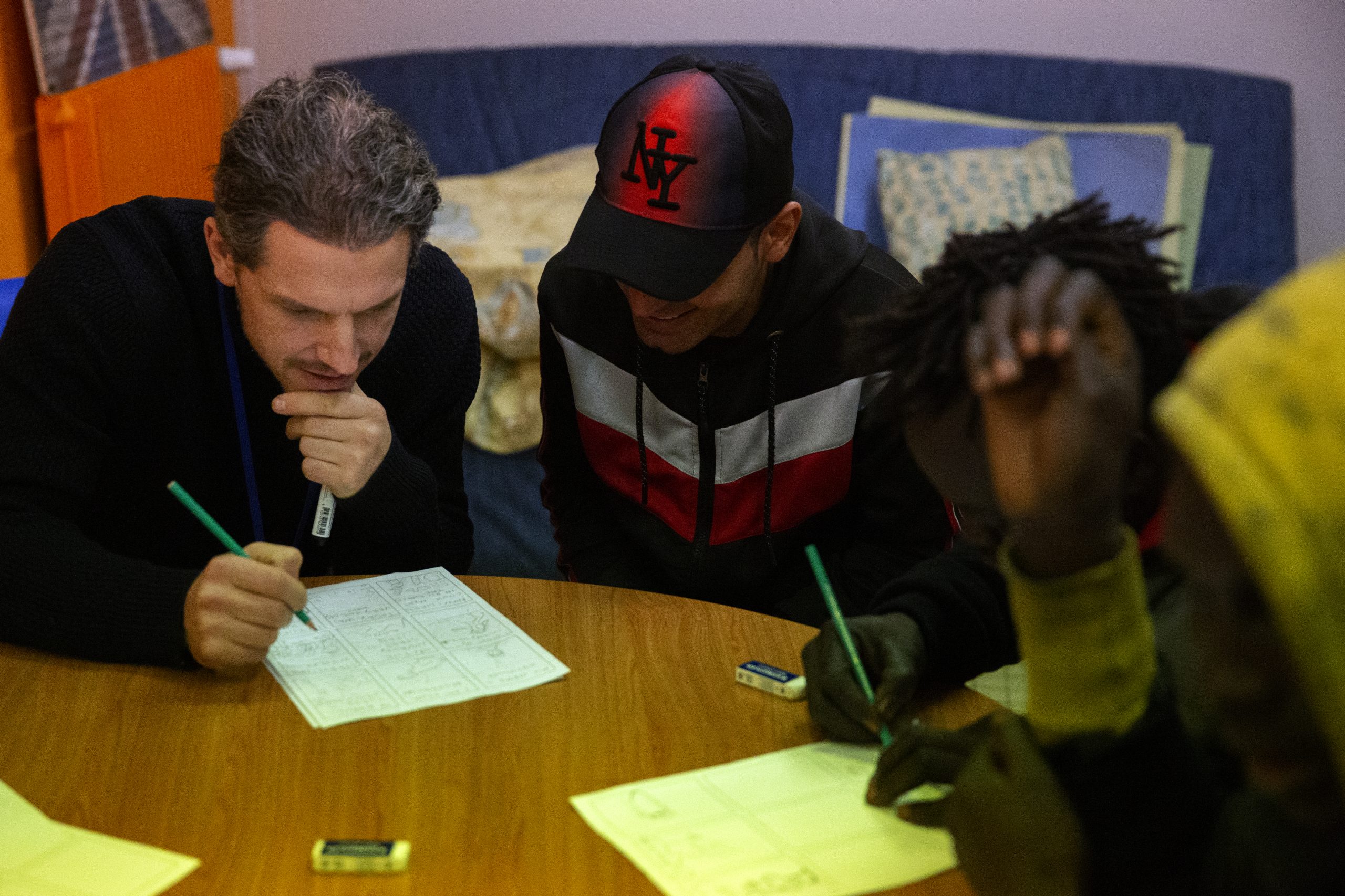
A visual archive of Refugee Youth Service’s work across different projects and locations.
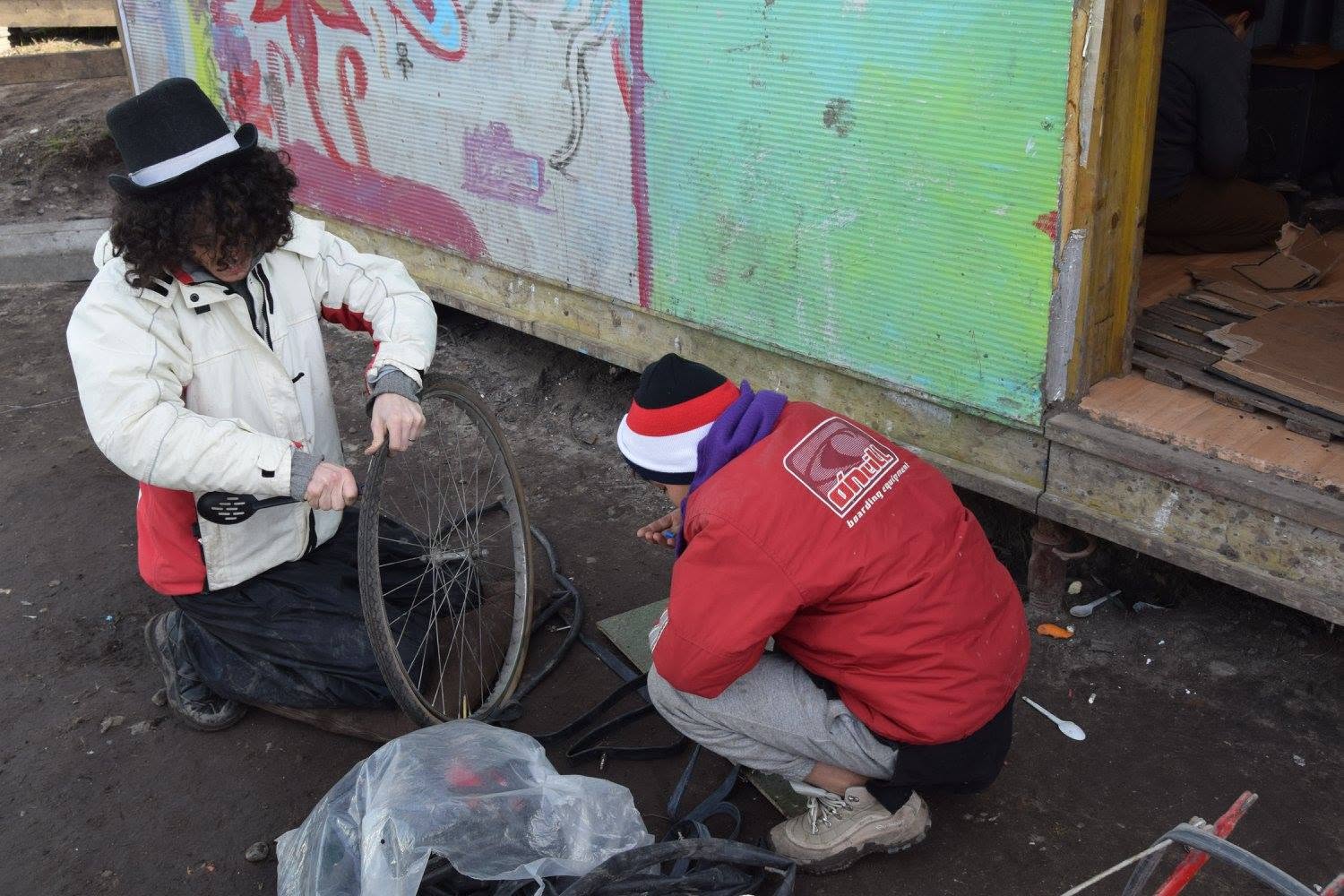
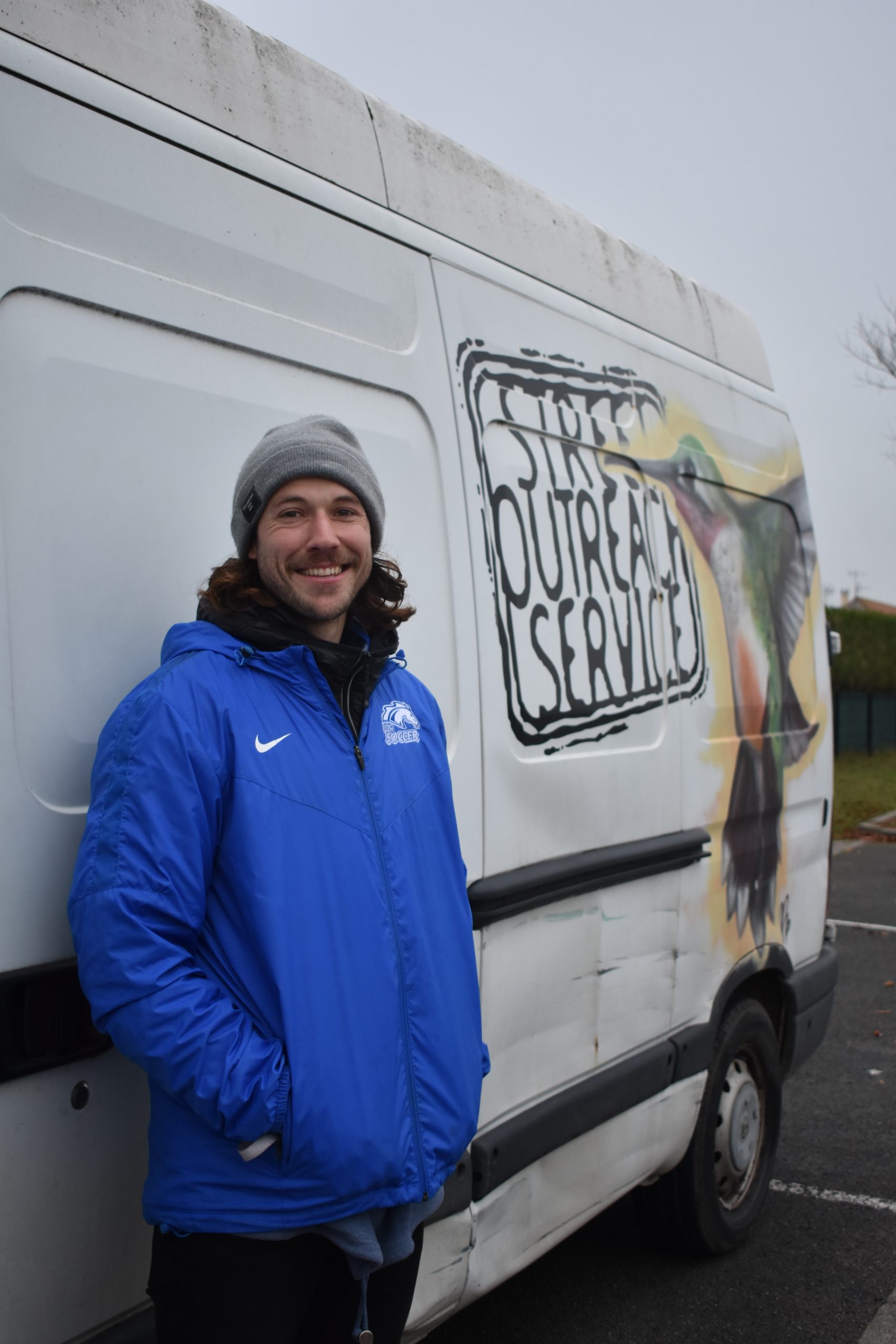
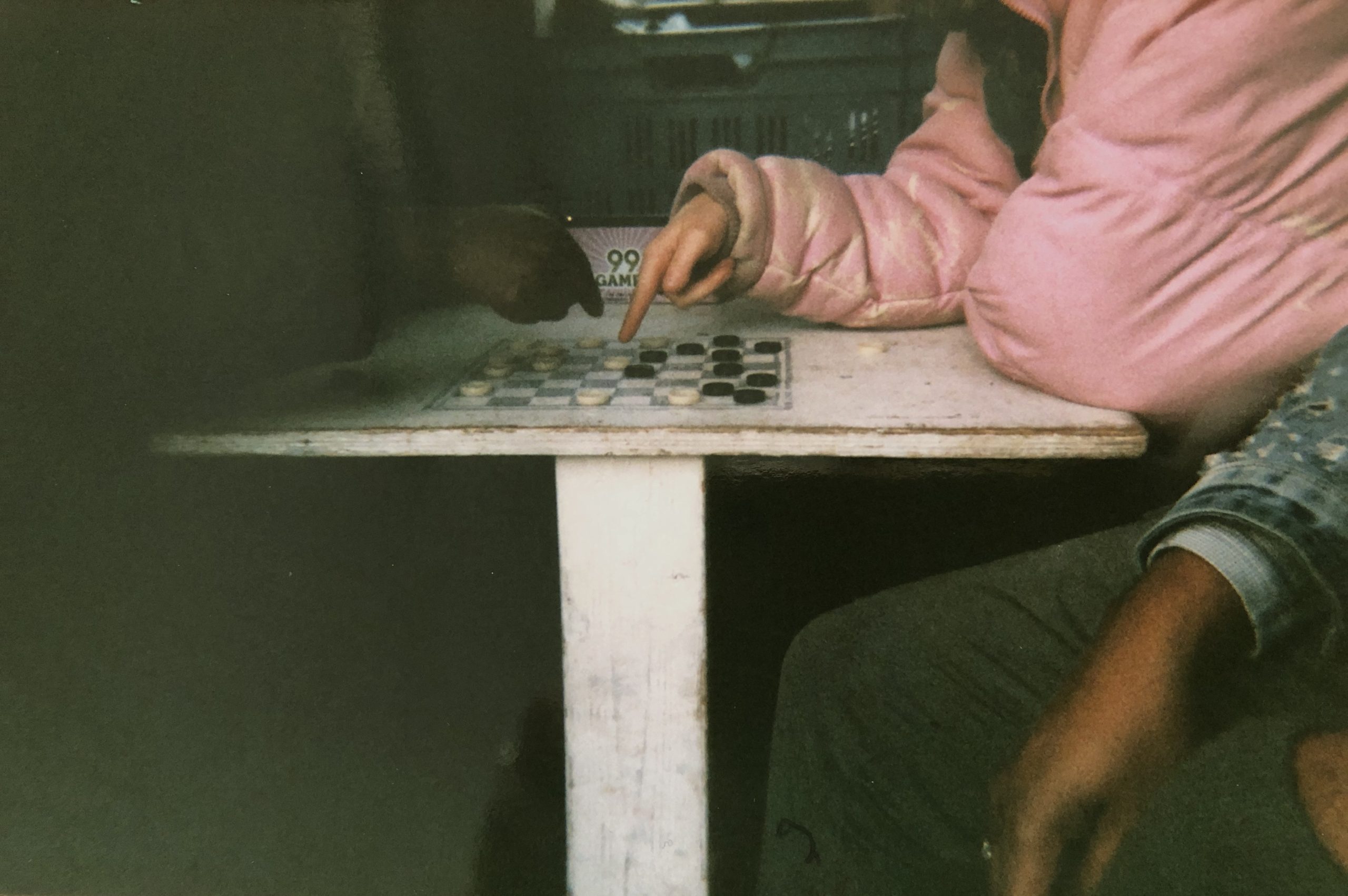
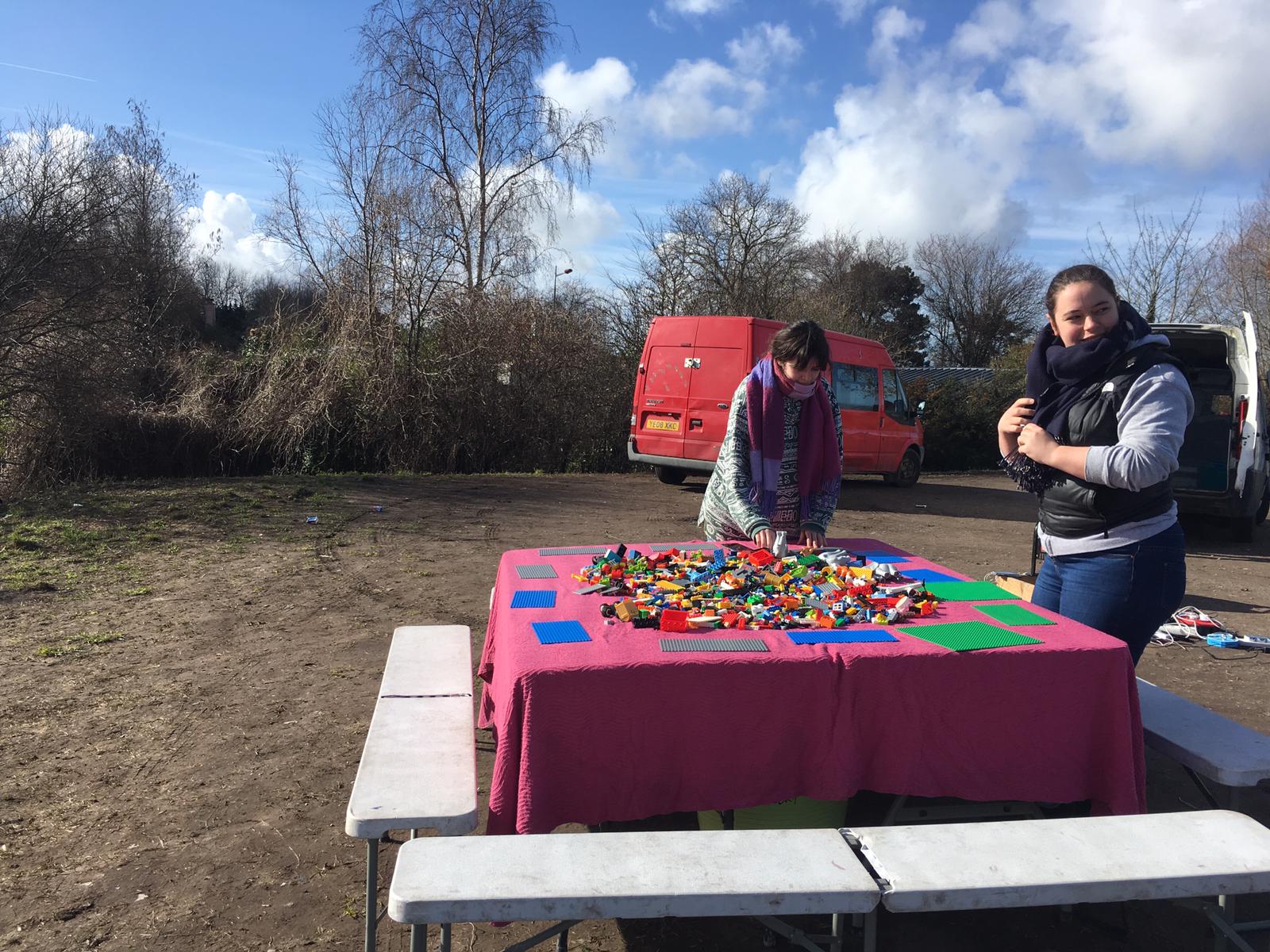
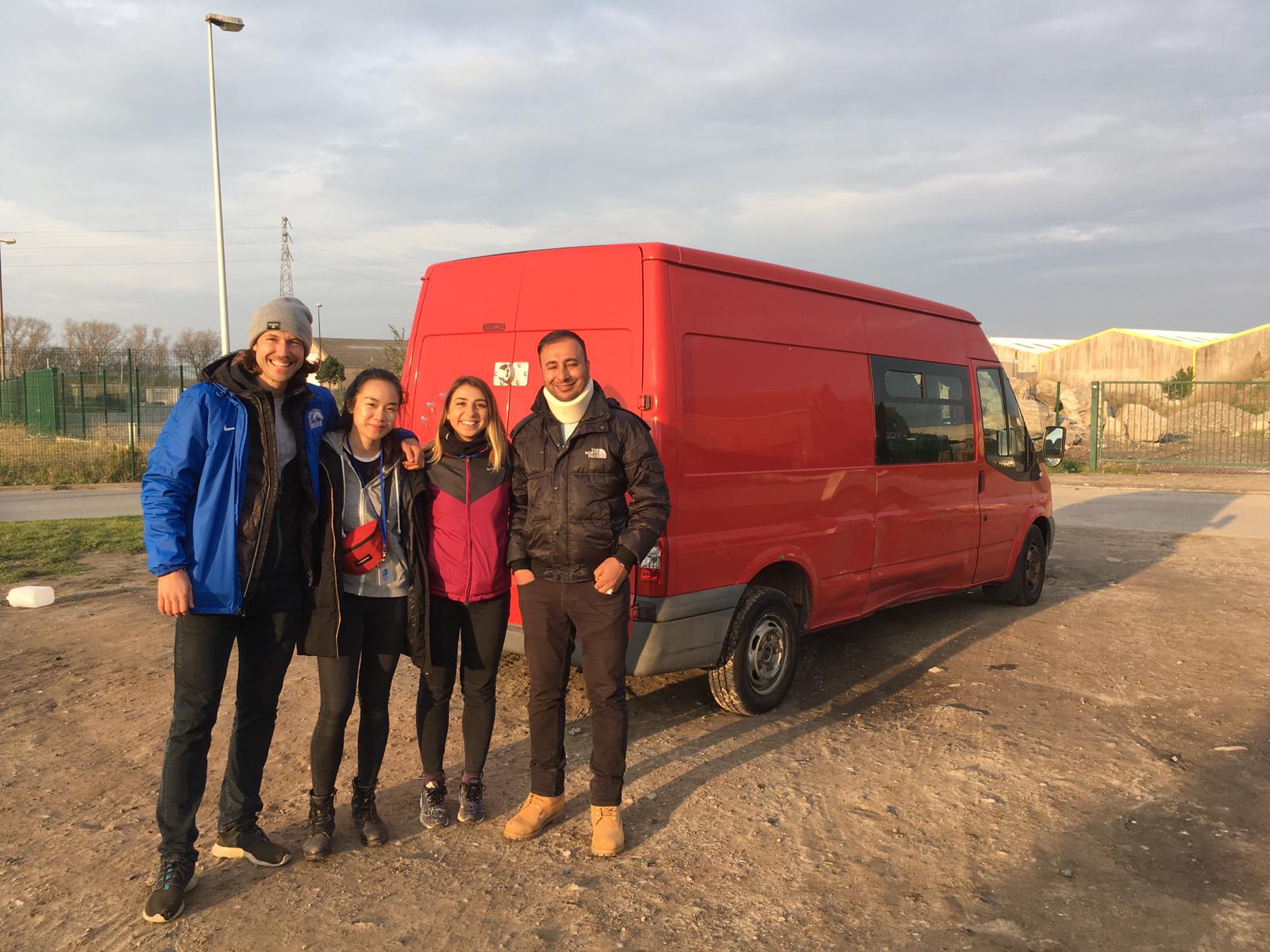
Northern France (2016–2021)





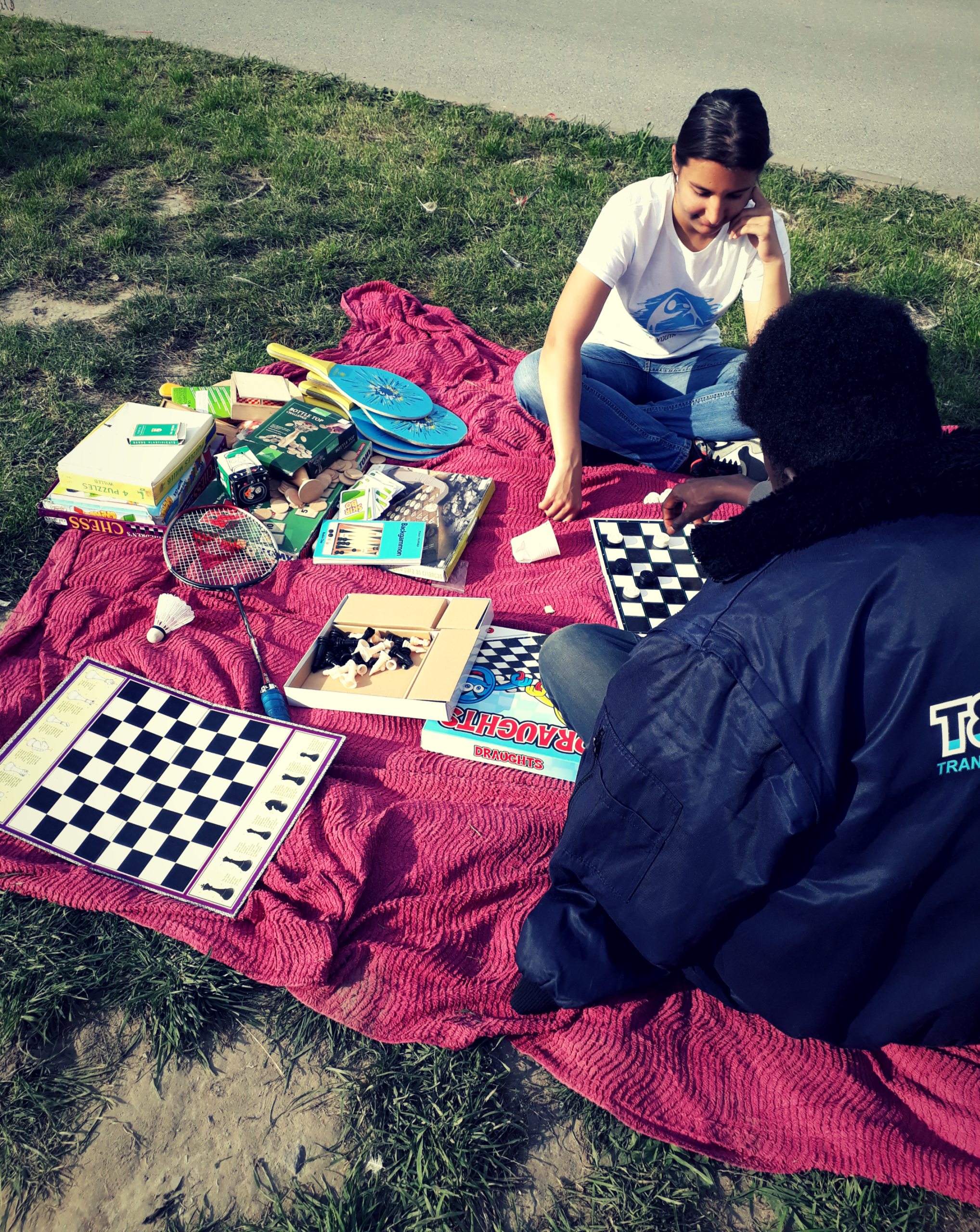
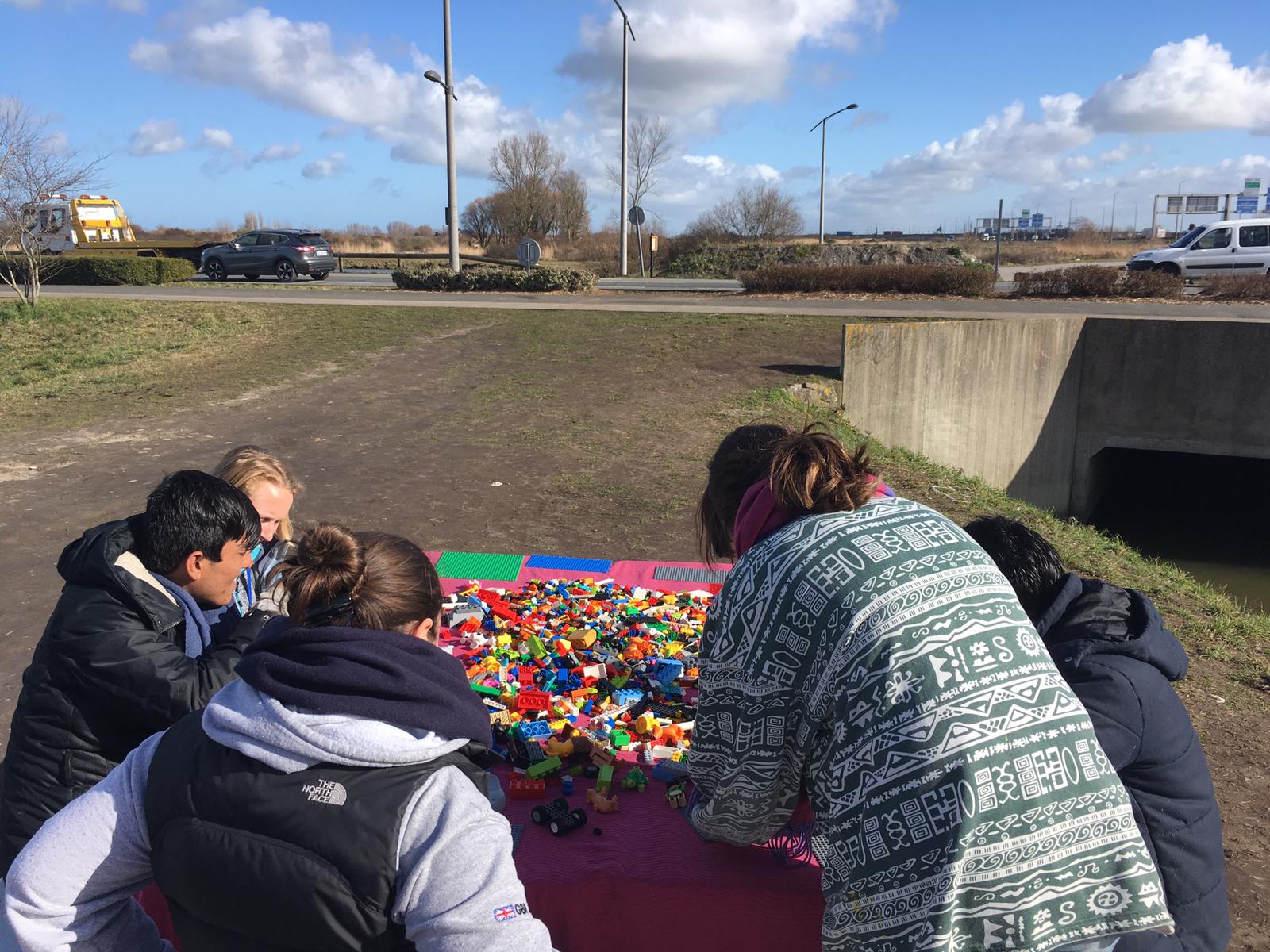
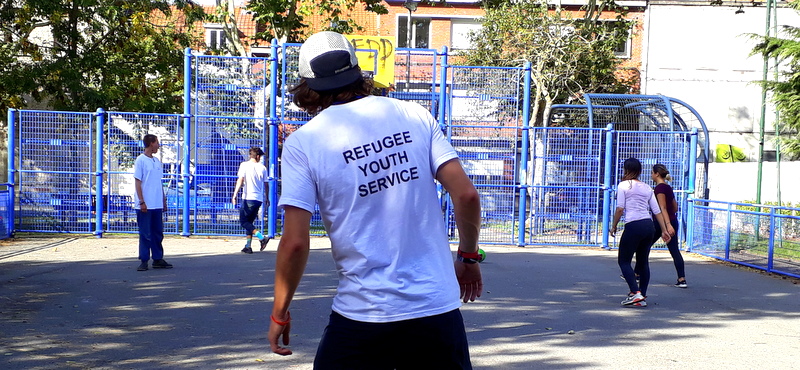
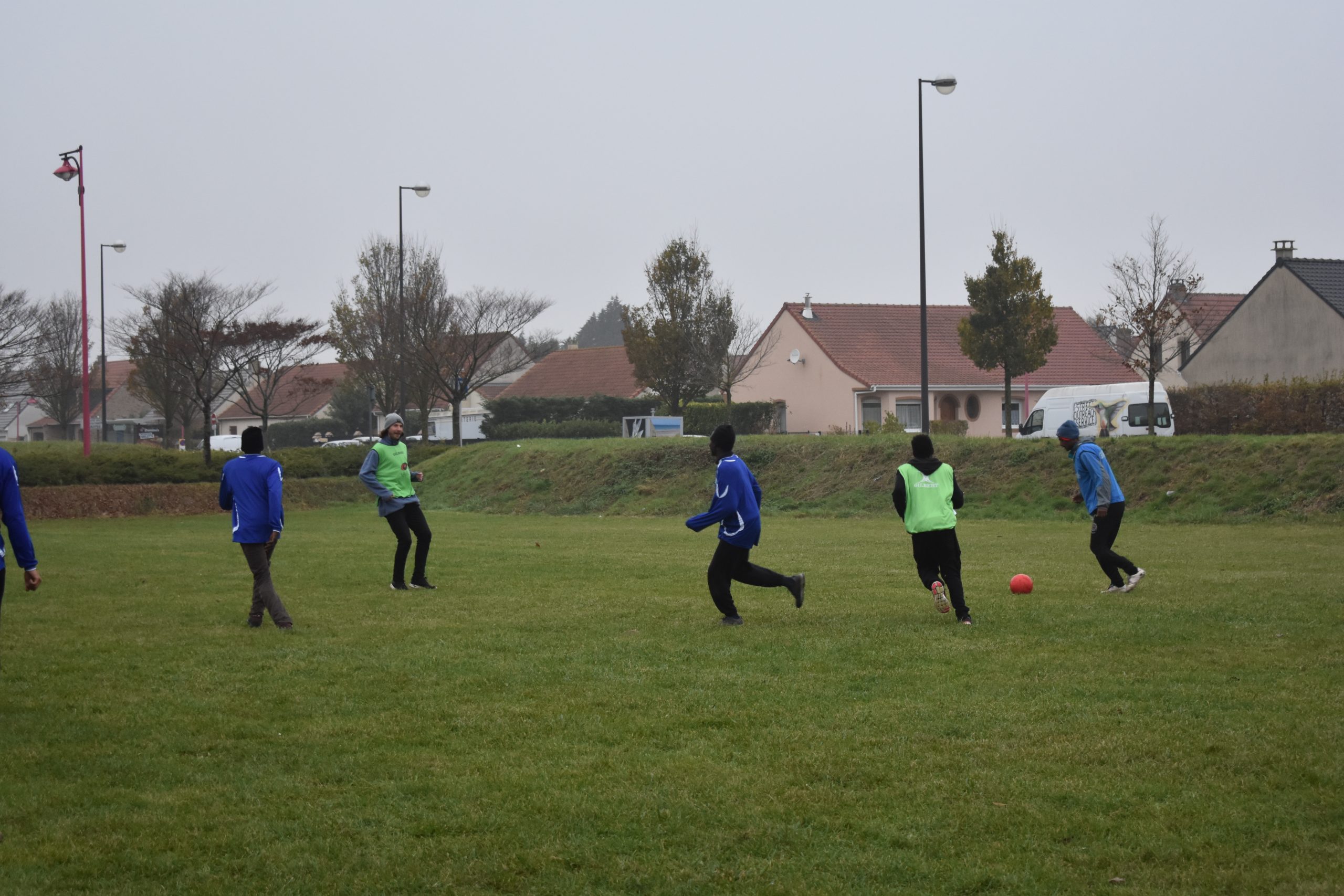
Ventimiglia, Italy (2017)


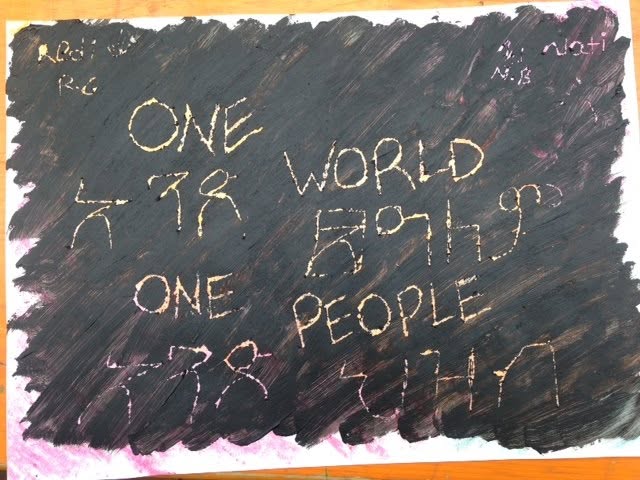


Athens, Greece (2017-2024)


UK (2022-2026)